(888) 227-CASE | 50 West Street. Bloomfield, NJ 07003

Jasmin Rutter
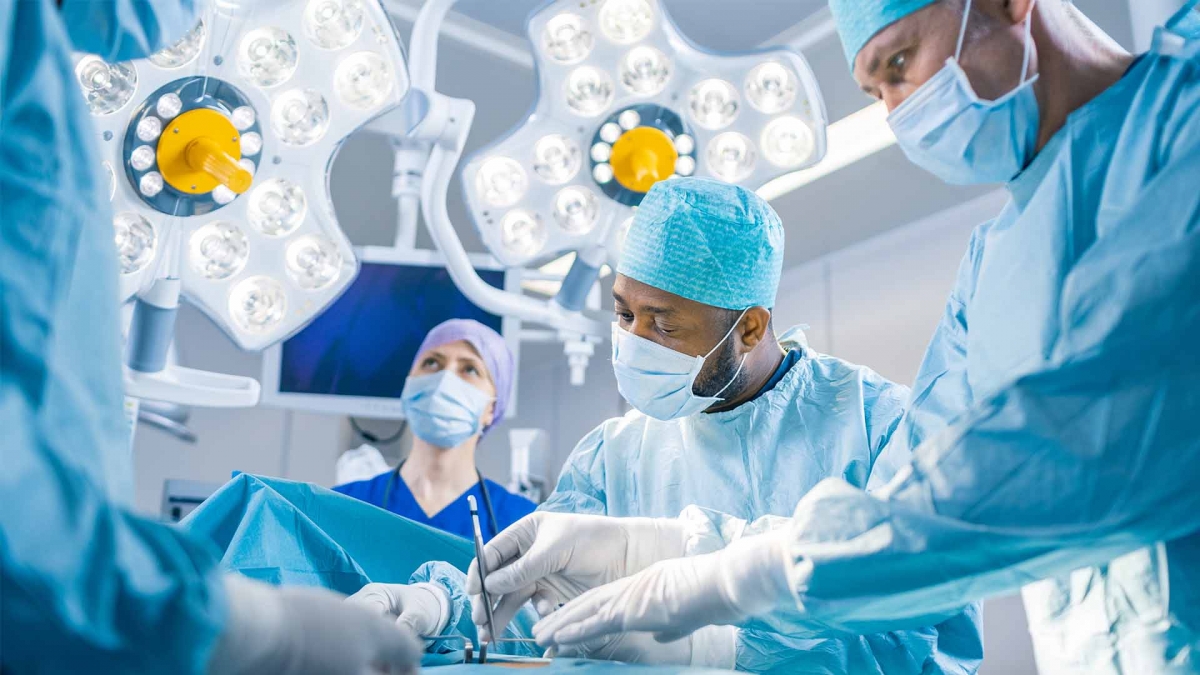
Custom procedure trays do more than hold instruments—they help create a more consistent, efficient experience across the OR and Sterile Processing Department while supporting physician preference. When a tray is configured around the actual instruments used for a procedure, the result is a system designed for organization, protection, and workflow efficiency rather than a one-size-fits-all approach.
Jasmin Rutter
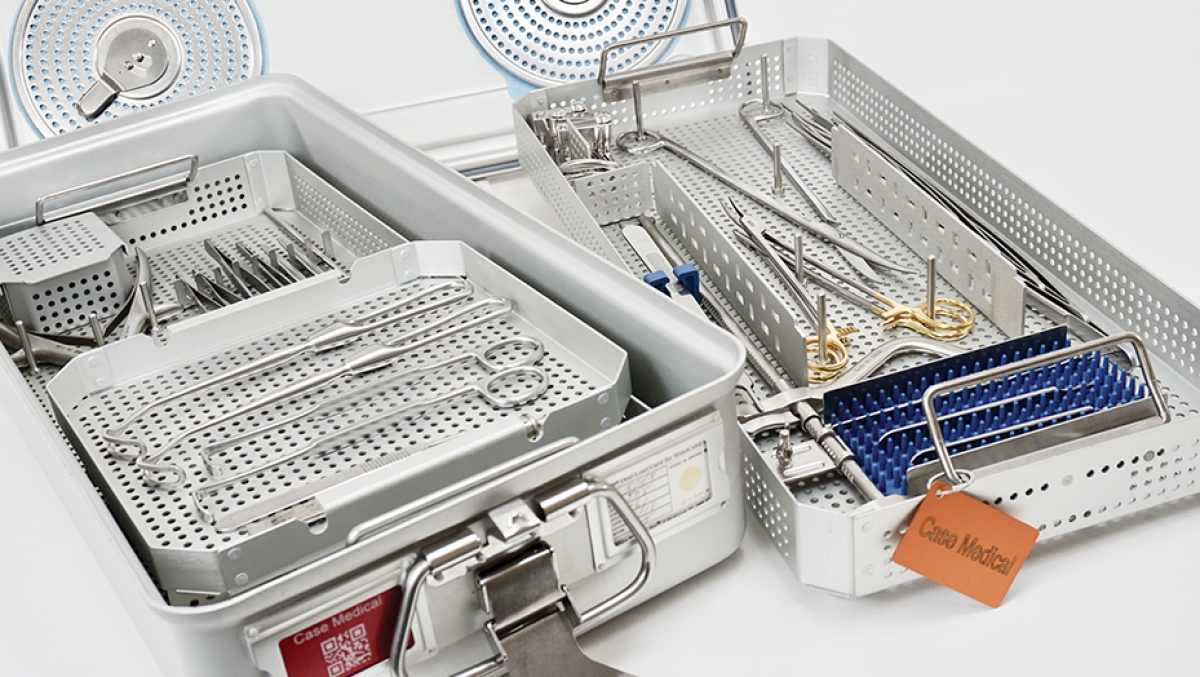
Years ago, or rather decades ago, Case Medical developed a modular reusable packaging system designed to organize and protect medical devices using off-the-shelf components and standardized trays. That expertise grew from years of developing custom graphics trays on an OEM basis for a wide range of medical device manufacturers.
Jasmin Rutter

IUSS grew out of an earlier era of “flash” sterilization, when the priority was keeping procedures moving in urgent situations. It was designed for the unexpected, a dropped instrument, a last-minute need, a case already in motion, not as a routine answer to workflow gaps.
Jasmin Rutter
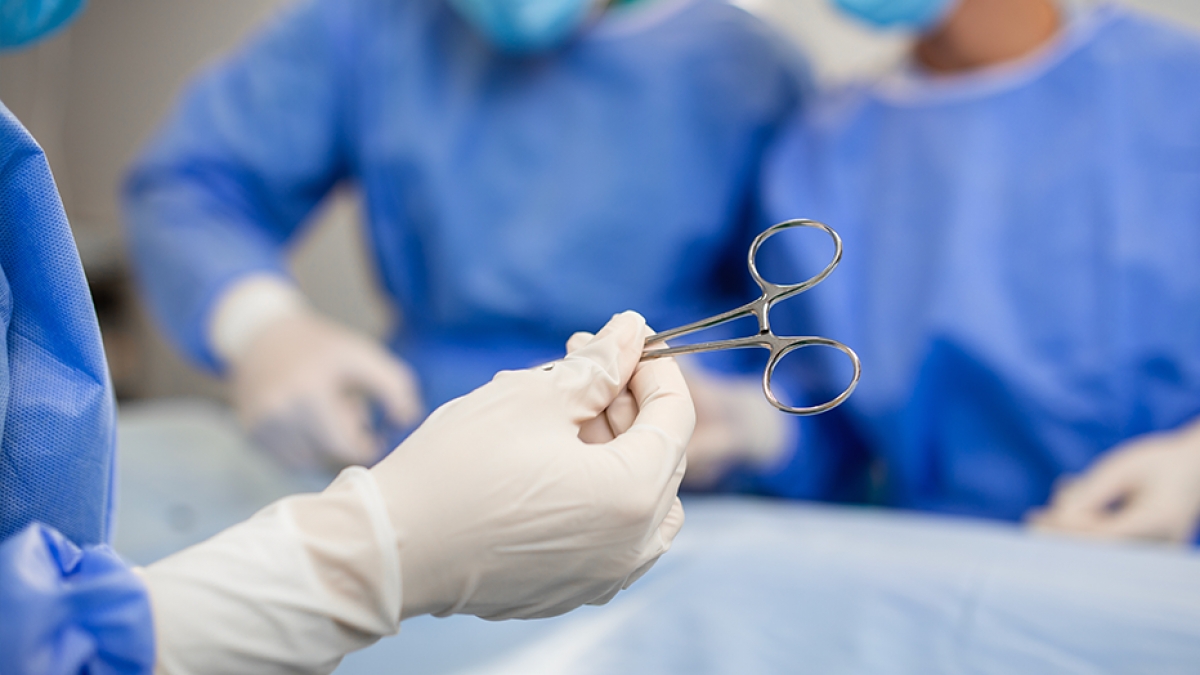
Every minute in the OR matters. When trays are delayed, instruments are missing, or wet sets hold up a case, the impact goes far beyond inconvenience.
Jasmin Rutter

Healthcare saves lives but it also leaves a heavy environmental footprint. Globally, the sector is responsible for approximately 4.4%–5.2% of greenhouse gas emissions and about 5% of global CO₂. If healthcare were a country, it would rank as the 13th largest emitter, and in the U.S., it accounts for roughly 8.5% of domestic greenhouse gases.