(888) 227-CASE | 50 West Street. Bloomfield, NJ 07003

Clean Water Without Compromise: Protecting Patients, Staff, and the Environment

Critical Water Begins with Better Pretreatment
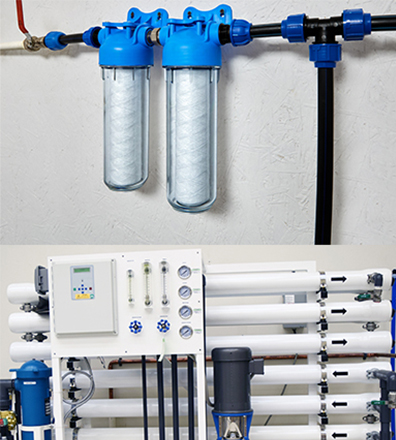
High-quality critical water is essential for effective medical device reprocessing, sterilization reliability, and patient safety. A treatment design that uses staged filtration before reverse osmosis, followed by UV disinfection when needed, provides a safer and more sustainable way to produce high-purity water without relying on unnecessary chemical additives. Carbon filtration and other physical pretreatment methods help reduce chlorine, particulate matter, organics, and incoming municipal water contaminants before they reach the RO system. This protects RO membranes, improves system performance, and supports consistent water quality.

Reducing Chemical Risk in Healthcare Spaces
Chemical water treatment can introduce risks that are avoidable in healthcare settings. Chemicals used for pretreatment may create handling hazards, fumes, spills, splash exposure, and respiratory irritation for staff. Residual chemicals or altered water chemistry can also carry into wastewater, increase environmental burden, and create added regulatory obligations related to OSHA Hazard Communication, chemical storage, spill response, hazardous waste, and Clean Water Act or local wastewater discharge requirements. In contrast, filtration, RO, and UV rely on physical removal and disinfection rather than chemical dosing, reducing the chance of harmful residuals reaching patients, staff, equipment, or the environment.
Lower Costs, Less Complexity, More Reliability
Chemical-based systems also increase operating costs and complexity. Facilities must purchase consumables, store chemicals safely, maintain dosing equipment, monitor residuals, train staff, document compliance, and respond to system failures or overfeed events. In addition, certain pretreatment chemicals can damage or shorten the life of RO membranes, requiring more frequent membrane replacement, increased maintenance, downtime, and higher lifecycle costs. A non-chemical design shifts costs toward durable components such as filters, membranes, and UV lamps with planned maintenance intervals and more predictable performance.

Protecting RO Membranes and Sterilization Outcomes
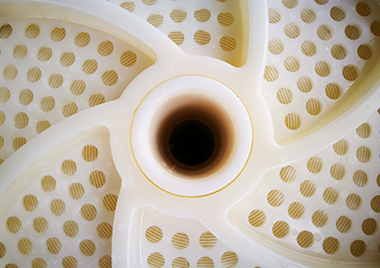
Filtration before RO is especially important because it protects the membrane from chlorine, sediment, and contaminants commonly found in municipal water. When properly designed, this approach reduces fouling, scaling, membrane degradation, and premature replacement. It also supports better boiler feedwater quality, lower dissolved solids, improved steam quality, fewer residues on devices, and more reliable sterilization outcomes.
Choose a Safer, More Sustainable Path Forward
For healthcare facilities, non-chemical water treatment is not only a technical choice but a safety and sustainability strategy. By emphasizing carbon filtration, physical pretreatment, RO, and UV, facilities can produce critical water that supports medical device reprocessing standards while reducing chemical exposure, environmental impact, compliance burden, maintenance demands, and long-term operating costs.

Case Medical cares about you, your patients, and future generations
We believe healthcare water treatment should protect people, preserve devices, and reduce harm to the environment. Partner with Case Medical to evaluate safer, filtration-based solutions that support critical water quality, improve reprocessing outcomes, and advance a cleaner, more sustainable future for healthcare.