
A Modular Approach to Procedure Tray Design
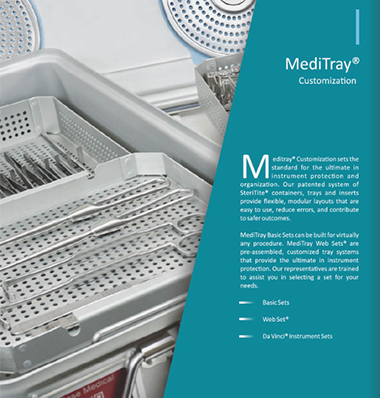
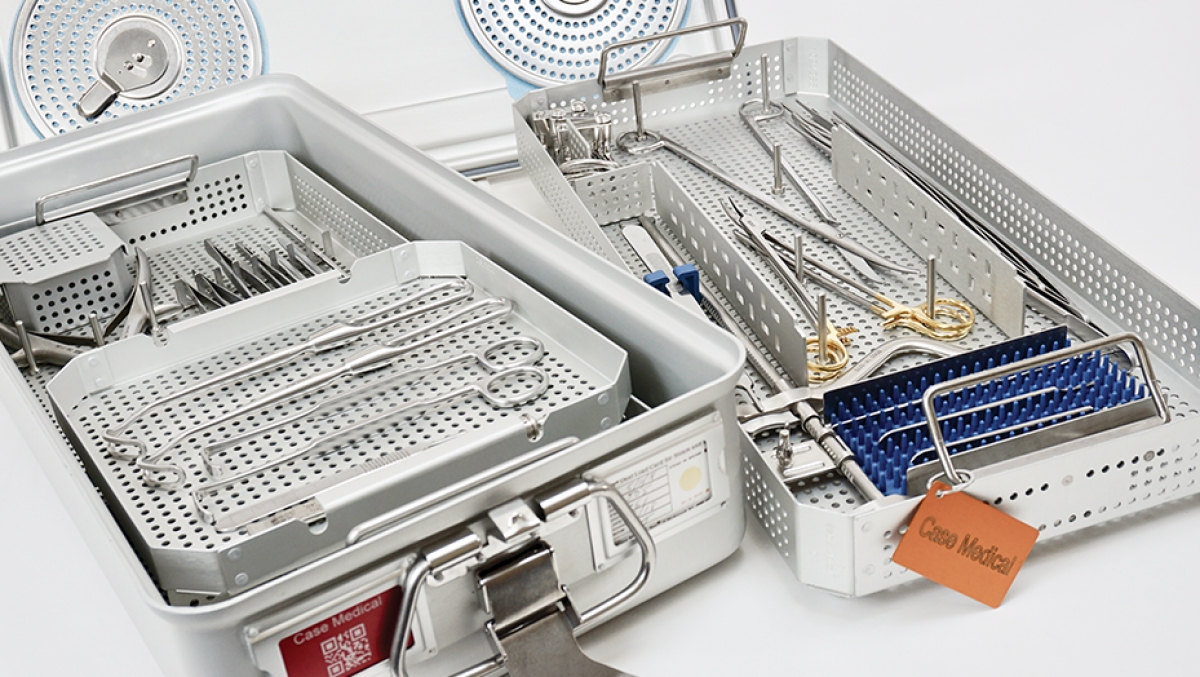
Years ago, or rather decades ago, Case Medical developed a modular reusable packaging system designed to organize and protect medical devices using off-the-shelf components and standardized trays. That expertise grew from years of developing custom graphics trays on an OEM basis for a wide range of medical device manufacturers. Case Medical then applied that knowledge to help healthcare facilities declutter overloaded procedure trays by reconfiguring them and packaging them for sterilization and subsequent use in the SteriTite® container. That foundation continues to shape how facilities can approach tray design with greater efficiency and consistency. In the past, custom graphics trays were typically available only from vendors, organized by procedure for a specific surgeon, and sold to or delivered as loaners to healthcare facilities for a limited period, usually 24 to 48 hours. What Case Medical developed was a DIN-sized modular system flexible enough to be used across surgical specialties throughout the facility. Today, that same modular approach gives healthcare systems a smarter way to standardize workflows while still supporting surgeon preference. It is a practical solution for facilities looking to simplify complexity without sacrificing clinical flexibility.

Why Tray Design Matters More Than Ever
Procedure trays do more than hold instruments. Their design directly affects how easily devices can be cleaned, assembled, transported, and sterilized. When trays are too large, too heavy, or too inconsistent, they can slow reprocessing, increase handling challenges, and create unnecessary workflow variation. For facilities looking to improve throughput and reduce avoidable delays, tray design becomes a strategic opportunity. That opportunity becomes even more important as healthcare systems centralize sterile processing and expand offsite workflows. Standardized, better-configured trays are easier to manage across multiple locations and easier for teams to process consistently. A more intentional tray strategy can help reduce variability, support staff efficiency, and improve day-to-day reliability. In a high-demand environment, those advantages matter.
Start with the Problem: Overloaded Trays
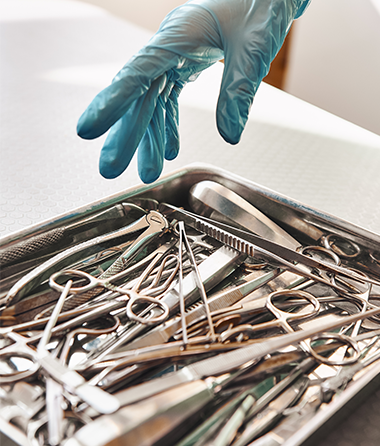
Many facilities still rely on procedure trays that contain more instruments than are routinely needed. That excess inventory adds weight, increases handling demands, complicates cleaning and assembly, and slows turnover. It also creates unnecessary complexity for SPD teams already working under pressure to support OR schedules. When trays are overloaded, inefficiency tends to follow. This is where a stronger standardization conversation begins. By identifying what is truly needed for the procedure and removing what is not, facilities can streamline tray design and improve workflow performance. A well-designed tray can be easier to process, easier to transport, and easier to manage across the system. That translates into a more efficient operation and a better use of resources.
How Custom Web Set® Systems Support Standardization
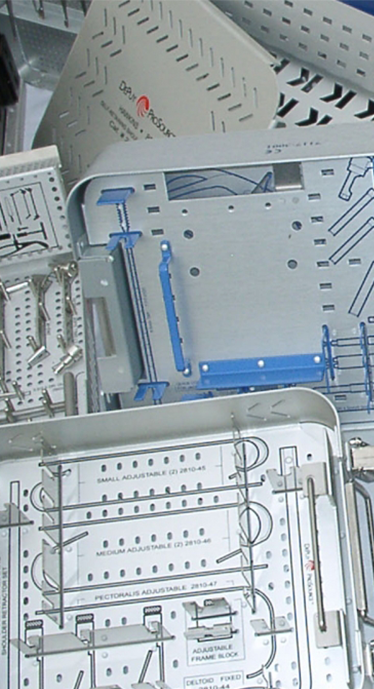
Case Medical's custom Web Set® systems give facilities the ability to build tray configurations that better align with their real workflow needs. Instead of relying on large, complex trays for every procedure, teams can create a more intentional structure that improves consistency while still preserving flexibility. This helps reduce unnecessary variation and supports a more repeatable reprocessing model. It also makes tray design a stronger part of a larger efficiency strategy. One effective approach is to build a standardized basic tray for the procedure and pair it with a smaller container for surgeon-specific instruments or accessories. This creates a strong conversation around both standardization and surgeon preference. Facilities can support more consistent workflows across sites while still accommodating the instruments or accessories individual surgeons want for specific cases. That balance can help improve both operational performance and surgeon satisfaction.
A Smarter Approach to Procedure Tray Design
Case Medical brings decades of experience in modular tray design, containerization, and workflow-focused customization to help facilities create a more standardized and efficient approach to instrument processing. Click here to explore our full Customization & Web Set® offering in the online catalog. If you are attending AORN, visit Case Medical at booth 1540 during exhibit hours April 12-14 in New Orleans to learn more about our Web Set® custom designed procedure trays and how they can help improve turnaround and increase overall OR team satisfaction. Stop by to connect with our team and see how a smarter tray strategy can support your workflow goals.