
Safer Chemicals, Safer Hospitals: Episode Three
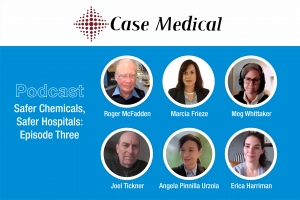
Episode Three of Safer Chemicals, Safer Hospitals. A Pod Cast hosted by Case Medical.
Challenging Healthcare Dogma: Safer, Smarter, and More Sustainable Practices
Honoring Service, Strengthening Safety: Memorial Day Reflections from Case Medical
The Hidden Risks of Improper Instrument Processing

We’re talking about risk analysis, the process we go through before deciding on a given action. Whether it’s diet soda or donuts we'll do a casual risk analysis in our head.
Safer Chemicals, Safer Hospitals: Episode Two
Episode Two of Safer Chemicals, Safer Hospitals. A Pod Cast hosted by Case Medical.
Turning Sustainable Practices into Safer, More Reliable Healthcare Outcomes

Sterile processing professionals make important decisions every day that affect patients, staff, workflows, and overall outcomes. Sustainability is part of that responsibility, but in healthcare, it must always align with safety and effective practice.
Safer Chemicals, Safer Hospitals: Episode One
Episode one of Safer Chemicals, Safer Hospitals. A Pod Cast hosted by Case Medical.
Standardization: The Missing Link in OR–SPD Communication

This week at the OR Leadership Summit, Case Medical connected with OR leaders to explore what it truly takes to achieve smoother operations, clearer communication, and reliable compliance. When communication breaks down between the operating room and sterile processing, the symptoms are easy to spot—late trays, incomplete sets, urgent phone calls, and last-minute workarounds.
Driving Better Outcomes Through Healthcare Standardization
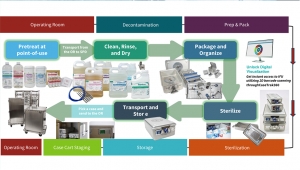
Standardization can improve productivity, reduce costs, and create supply chain efficiency. Healthcare facilities are looking at the Total Cost of Ownership to reduce waste and have what is needed in stock, even during challenging times and supply chain shortages.
Redefining the supply chain of tomorrow for industry and healthcare

Case Medical is committed to continuous improvement and partners with local universities and community colleges to support their students with internships, and co-op opportunities. This partnership has served us well as we learn how AI and machine learning can be applied to our operations.