(888) 227-CASE | 50 West Street. Bloomfield, NJ 07003

The Residue Risk: Why Less Chemistry Matters
When Clean Isn’t Truly Clean
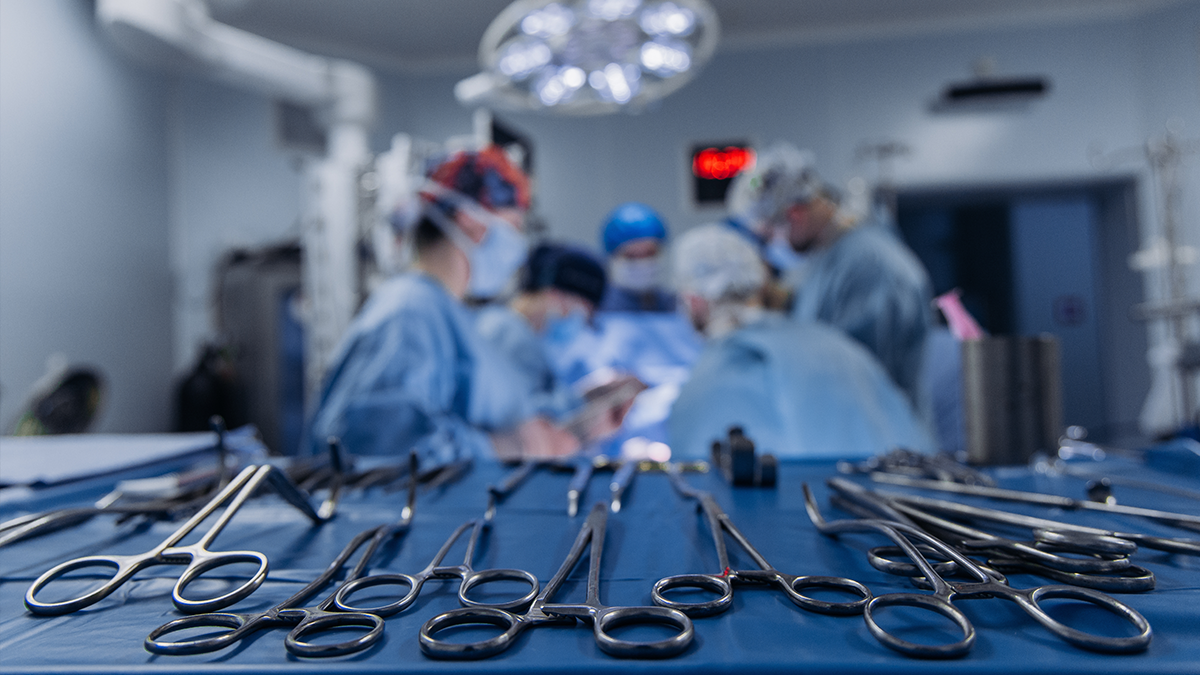
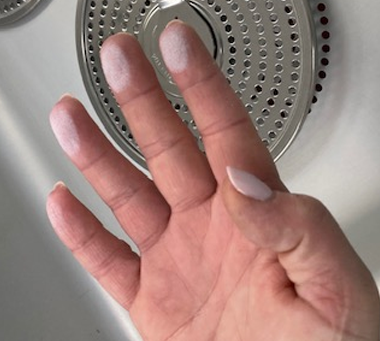
Many of us have encountered the puzzling “white powdery residue” found on surgical instruments, sterilization containers, and wrapped trays. Although it may seem unusual in sterile processing, this type of residue is common in everyday life. It can appear on glassware, cutlery, and even clean clothes when too much detergent is used, fabric softeners build up, water quality is poor, or rinsing is inadequate. In healthcare, however, residue is more than a nuisance. Chemical residue on medical devices can interfere with sterilization, damage surfaces, contribute to cancelled or aborted low-temperature sterilization cycles, and pose potential risks to patients and staff.
Too Much Chemistry Can Create New Problems
Residual chemicals are often the result of too many chemicals, the wrong chemicals, recycled wash water, continuous dosing, inadequate rinsing, or skipped rinse steps during the cleaning process. Using disinfectants in place of proper cleaning, or applying drying agents after washing, can further complicate the process. These residues may interact with chemical sterilants used in low-temperature sterilizers, such as vaporized hydrogen peroxide, creating unwanted chemical reactions that can reduce sterilization effectiveness or cause cycle cancellations. Medical device cleaning should not leave behind detergent, disinfectant, mineral deposits, or surface films. The goal is simple: a clean surface, free of soil and residue, ready for effective sterilization.

Water Quality Is a Hidden Contributor
Water quality is another important contributor. Limescale, caused by dissolved minerals such as calcium and magnesium, and residual salt from water softeners can remain on surfaces as water evaporates, especially during heated washer and thermal disinfection cycles. Chlorides, elevated pH, and chemical additives can contribute to staining, pitting, and corrosion. Even steam may contain dissolved solids that leave white residue behind as vapor evaporates. Sterilization containers and medical devices depend on surface integrity. Containers that are anodized and passivated have a protective shield that helps prevent corrosion. When that seal is compromised, the surface can become porous, absorb sterilant, and contribute to incomplete or cancelled low-temperature sterilization cycles.
The Simpler Recipe for Success
At Case Medical, we have been investigating the causes of powdery residue on medical devices, including sterilization containers and other devices. Our laboratory testing evaluated detergent concentration, water quality, rinse effectiveness, washer conditions, steam sterilization, and low-temperature sterilization exposure. What we found was both practical and powerful: the solution may be simpler than expected. Cleaning medical devices may only require two essential steps: washing with a pH-neutral or enzymatic detergent, followed by a thorough rinse with high-quality water. Using filtered water for washing, RO water for rinsing, less chemistry, lower temperatures when appropriate, and a complete rinse process helped eliminate residue and discoloration, even after multiple low-temperature sterilization cycles.
Less Chemistry, Better Protection
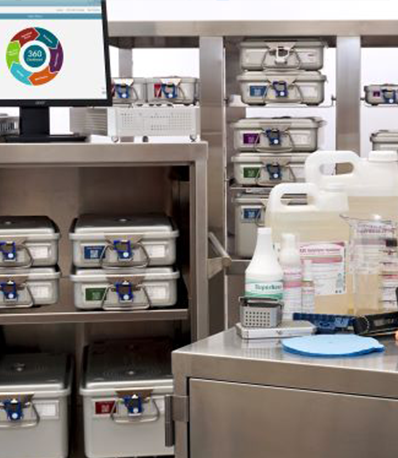
The call to action is clear: less chemistry is often the better choice. Rather than adding more chemicals, more additives, or unnecessary processing steps, sterile processing departments should focus on validated cleaning, proper detergent selection, water quality, and thorough rinsing after each cleaning step. A pH-neutral or multi-enzymatic detergent, such as SuperNova, followed by a complete rinse with high-purity water, can support cleaner surfaces, protect medical devices, reduce cycle failures, and improve readiness for patient care. Clean should mean clean: no soil, no residue, no chemical film, and no mystery left behind.