
Doors Still Opening
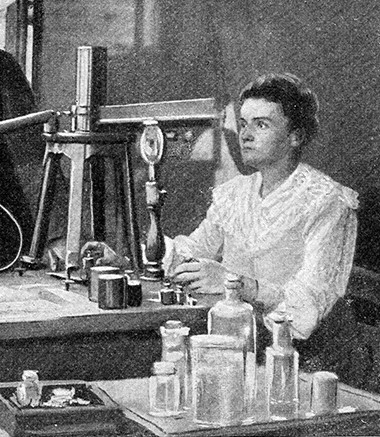
During Women’s History Month, I often find myself thinking about the women who came before us, the ones who opened doors quietly and persistently, often without much recognition. I think of women like Florence Nightingale, who transformed nursing; Marie Curie the first woman to win a Nobel Prize; Elizabeth Blackwell, the first woman to receive a medical degree in the United States; Clara Barton, who devoted her life to care and service; and Mae Jemison, a physician, engineer, and the first Black woman to travel to space. I also think of the many others whose names are less well known, but whose work changed what was possible for those who followed.
I also think about how unusual it still is, even today, to walk through some of those doors.
Manufacturing is one of them.

A Rare Place to Lead
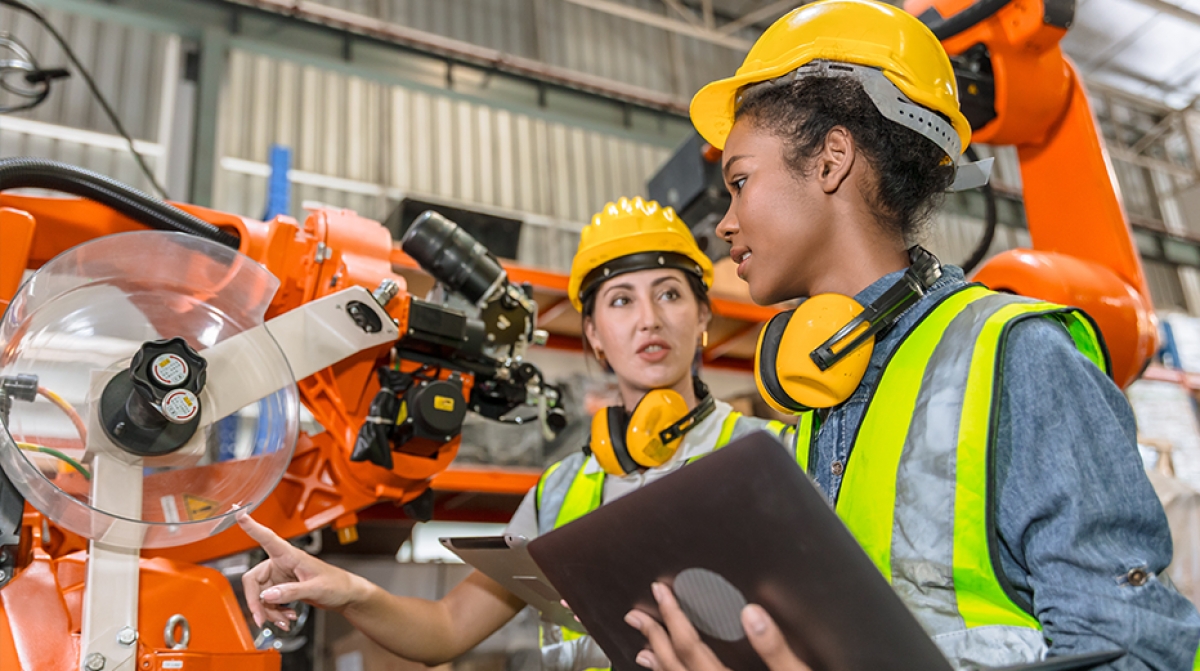
In our industry, most people are focused on the work in front of them: the products, the service, the equipment, and the problems that need to be solved. During this month in particular, I think it is worth pausing to notice something many may not realize: how unusual it is to find a women-owned manufacturing company, especially in medical device manufacturing, and to have women in senior positions in engineering and even on the manufacturing floor.
Nevertheless, when precision, safety, consistency, trust, and thoughtful design come to mind, women can make a difference. That is true in the healthcare industry and in sterile processing, the manufacturing arm of the hospital. Product safety, staff safety, and patient safety do not happen by accident. They come from people who care deeply about doing the work well. I know many of you see that every day in your own work, and I am grateful to be surrounded by people who do exactly that here at Case Medical.What a Certified Women-Owned Business Means
Case Medical is a certified women-owned enterprise. In our field, manufacturing, it is still rare and challenging. That fact means something to me, not because of the label itself, but because of what it represents.
It can mean not always being taken seriously or welcomed with a seat at the table. It is not easy, but it is worth the challenge. It represents years of building, questioning, learning, solving problems, taking risks, and continuing forward in a field where women were not always expected to lead, own, invent, manufacture, or make the final decision.

When I was younger, the expectations for women were different and much narrower. There were professions women were expected to enter: nursing, teaching, and social work. I was a clinical social worker and therapist for the first 10 years of my professional life. Manufacturing was certainly not presented as a natural path for women in general, nor for me. Neither was engineering, factory leadership, product development, or ownership.
And yet life has a way of taking us where we are needed and where our convictions take hold. For me, it was helping others by solving problems, originally person to person and now through product development.

The Career Gap
That is part of what still stands out to me now. Women have earned greater responsibilities across healthcare, STEM, and manufacturing, yet far fewer are placed in roles where final decisions are made. The gap is not one of ability. It is one of representation, visibility, and opportunity. For those of us who work in and support this field, that is worth thinking about. Many women contribute every day across sterile processing, healthcare operations, and quality, yet leadership at the ownership level remains far less visible.
Today, when I look at our company, I see more than products. I see advanced technology and the development of products with a woman’s touch. I see a place where people come together to create things that matter in healthcare. I see innovation, quality, and manufacturing not as abstract ideas, but as daily work. I see people solving problems, improving processes, and helping their teams do difficult jobs safely, collaboratively, and effectively for better patient outcomes, staff safety, and environmental preference.
Why It Matters
I think it matters that our company, Case Medical, is women-owned. Not because women lead one way and men another, but because visibility matters. Ownership matters. Example matters.
In a field like this, where women are present in many roles but still less common at the ownership and manufacturing leadership level, it matters for people to see that this path exists, works, and has a human touch.
Women’s History Month should not only be about looking backward. It should be about looking forward, recognizing the women who broke barriers, widened the path for others, and asking what still needs to change. This also means creating opportunities for women to lead and contribute to best practices with innovative product solutions.
I am grateful that Case Medical can stand as one example of something still too rare in our field: a women-owned, women-led company committed to innovation, safety, sustainability, and service.
During Women’s History Month, that feels worth saying clearly.