

The False Sense of Security
Improper instrument reprocessing is often an invisible threat—one that hides behind convenience, routine, and the false assumption that “good enough” is truly safe. In healthcare environments, shortcuts taken during cleaning and disinfection can create significant risks for patient safety, staff exposure, regulatory compliance, and infection prevention outcomes. What may appear to be a simple, efficient solution can ultimately compromise the integrity of the entire reprocessing cycle. Understanding these hidden risks begins with recognizing that every step in the process matters. But too many steps wih unnecessary chemical agents, recycled wash water, and inadequate rinsing can do more harm than good.

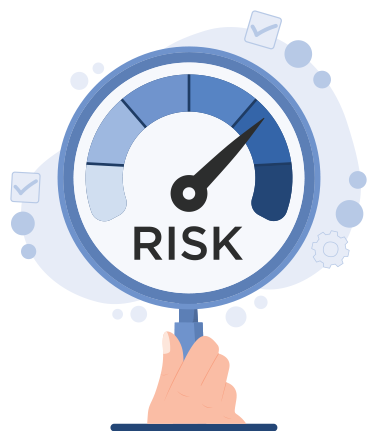
It's an illusion when you do not consider the risks
Beyond Surface Cleaning: Understanding Reprocessing Risks


Protect Patients. Prevent Risk. Choose Safer Solutions.
At Case Medical, we believe “good enough” is never safe enough. That’s why we eliminate the risks associated with incompatible chemicals by providing pH-neutral, biodegradable, free-rinsing cleaners and sustainable sterilization solutions designed to protect patients, staff, and instruments. Our durable, corrosion-resistant SteriTite containers and safer instrument chemistries help reduce cross contamination and unintended consequences while supporting environmental responsibility. As a U.S. EPA Safer Choice Partner of the Year, we are committed to validating and sharing factual information you can trust. Contact Case Medical today to learn how safer, sustainable solutions can support your facility.
Visit us at www.casemed.com to learn more about our products and how they can help your facility lighten its impact on the environment for the good of us all. We are available to assist you with an onsite quality assessment and introduce you to our validated containers and certified cleaners.
Connect with Case Medical on social media for more content!
LinkedIn
FaceBook
Kindest Regards,