

When Common Practice Becomes Accepted Truth
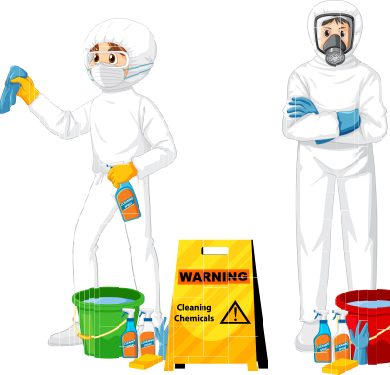
Use more detergent. Eliminate the rinse step to save water. Add a drying agent or lubricant after every cycle, even when it is not needed. Recycle water to reduce consumption. Add more chemicals to washers for disinfection and now add more chemicals to utility water for reprocessing. These recommendations come from many sources, including online content, manufacturers' instructions for use (IFUs), consultants, and guidance documents. Faced with conflicting information, healthcare professionals are often left wondering which recommendations are truly evidence based and whether there is only one acceptable way to achieve safe outcomes.

The Value of Questioning Established Practices
There was a time when differing perspectives were viewed as an opportunity to improve healthcare rather than challenge it. Innovation, scientific inquiry, and evidence-based debate have historically driven the development of best practices. Standardization and sustainability are not opposing goals; they are complementary principles that improve efficiency, reduce waste, lower costs, and enhance safety. Excessive products, processes, and chemicals can create unnecessary complexity while increasing environmental burdens. The question healthcare professionals should ask is not whether a practice is traditional, but whether it remains necessary.
Designing for Sustainability and Longevity
When we developed the SteriTite container system, our focus was not only on sterilization performance but also on cleaning, preservation, and long-term usability. The result was a modular tray and container system designed to organize instruments efficiently while supporting durability and reuse. More than twenty-five years later, many of these systems remain in active service because they were properly cleaned, maintained, and designed with sustainability in mind. This experience reinforces an important lesson: products and processes that minimize waste and maximize longevity are often the safest, most economical, and most sustainable solutions.
The Hidden Cost of Chemical Dependence
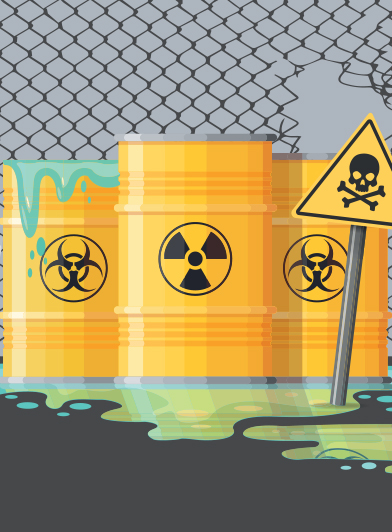
The growing reliance on chemicals in healthcare extends beyond cleaning and disinfection and now increasingly influences water treatment practices. Yet healthcare's guiding principle remains "first, do no harm." According to the World Health Organization, healthcare activities generate significant quantities of chemical and pharmaceutical waste, much of which ultimately enters wastewater systems. Conventional wastewater treatment facilities were never designed to remove many complex chemical compounds, allowing contaminants to reach rivers, lakes, and drinking water sources. Water is a finite resource, and protecting it requires a commitment to reducing unnecessary pollution at its source. As demonstrated by emerging evidence in healthcare water treatment, high-quality water can often be achieved through physical and thermal processes that reduce or eliminate the need for routine chemical addition while maintaining safety and performance.
Why Alternative Solutions Deserve Consideration
Today, proposing alternatives to established practices is sometimes viewed as challenging prevailing opinion or advancing a particular agenda. Yet innovation depends on the willingness to evaluate new evidence and consider different approaches. Our instructions for use specify pH-neutral or enzymatic cleaning followed by thorough rinsing under flowing water. Additional neutralizers, lubricants, drying agents, or harsh alkaline detergents are often unnecessary and, in some cases, may create unintended consequences such as chemical residues, material degradation, or sterilization failures. The same principle applies to water treatment and other healthcare processes. When evidence demonstrates that safer, less chemical-intensive alternatives can achieve equivalent or superior outcomes, those alternatives deserve thoughtful consideration.

A Call for Evidence-Based Innovation
Healthcare has always advanced by challenging assumptions, embracing research, and remaining open to new ideas. Sustainability, patient safety, staff safety, and environmental stewardship are not competing priorities; they are interconnected responsibilities. As healthcare professionals, manufacturers, standards developers, and regulators, we should remain open to innovation and willing to reexamine practices that may no longer represent the safest or most sustainable option. The goal is not to eliminate every chemical or abandon proven methods, but to ensure that every process is supported by evidence, minimizes unnecessary risk, and contributes to better outcomes for patients, staff, communities, and the environment. Progress begins when we are willing to ask whether there is a better way and remain open to the possibility that the answer may be yes.
Case Medical helps healthcare facilities reduce complexity, protect valuable instruments, improve workflow consistency, and lower total cost of ownership. Contact Case Medical today for safer, more efficient care.