
Rethinking Sterile Processing

20 Feb

From Tradition-Driven Practices to Standardized, Simplified, and Safer Systems

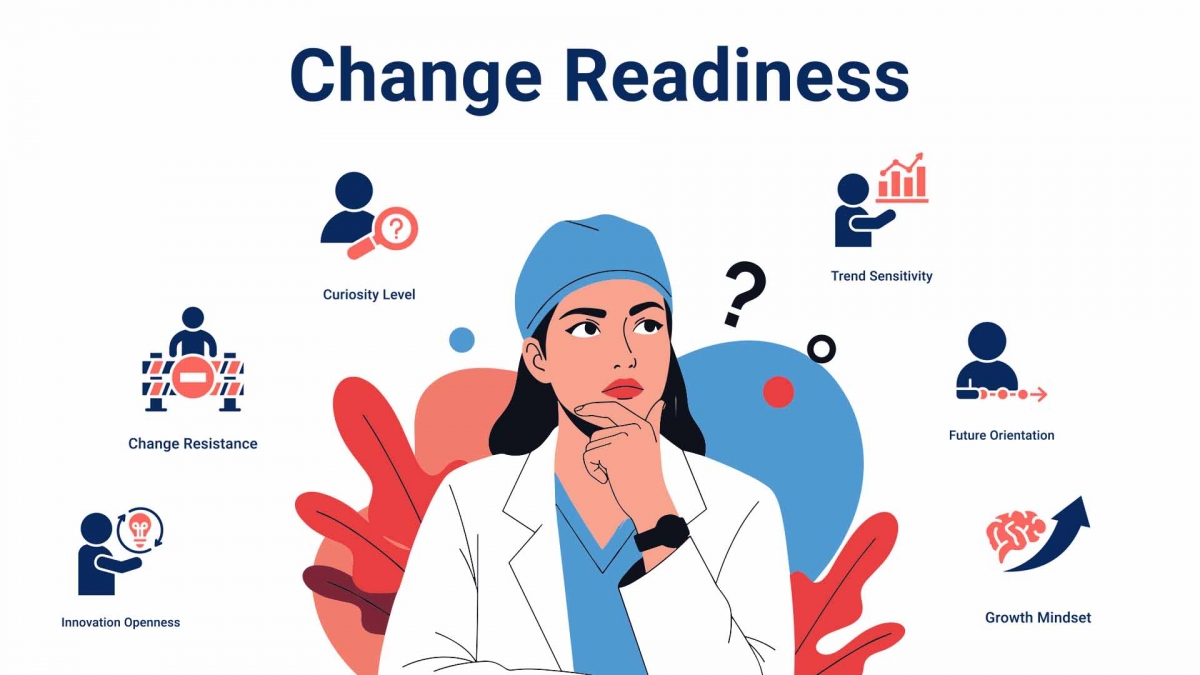
How often do we hear, “We’ve always done it this way. It’s worked before — why change now?”

Healthcare no longer operates in yesterday’s world. The Industrial Revolution has given way to the Digital Revolution, transforming how we diagnose, treat, and operate. Minimally invasive procedures now rely on sophisticated endoscopes and robotic instruments — devices that demand meticulous, step-by-step reprocessing and strict adherence to IFUs to ensure safety, performance, and longevity. In this environment, clarity is critical. Instructions must be accessible. Alerts must be timely. Prompts must be intuitive. Safe, consistent practice depends on it. Technology has changed. The risks have changed. Our mindset must change too. It’s time to put the myths to rest.


Image
Image

Simple Solutions to Replace Old Habits

Many traditional processing practices are overdue for retirement. Instrumentation has become more complex — but our processes should not. IFUs are essential, yet in some facilities they are buried in binders, locked in offices, or hidden in hard-to-access systems. In a high-risk setting, access cannot be delayed. It must be immediate and embedded into workflow. Instrument sets are often overloaded with devices rarely used. Extra instruments increase handling, extend reprocessing time, elevate risk, and accelerate wear. More is not better. More is risk. Even tray organization is rarely questioned. “It’s always been this way” is not a safety strategy. Reviewing sets and preference cards through standardization and data-driven decisions can streamline workflow, reduce errors, and improve patient safety. Simplicity is not a step back. It is a step forward.

Overloaded Trays: A Risk We Can No Longer Ignore
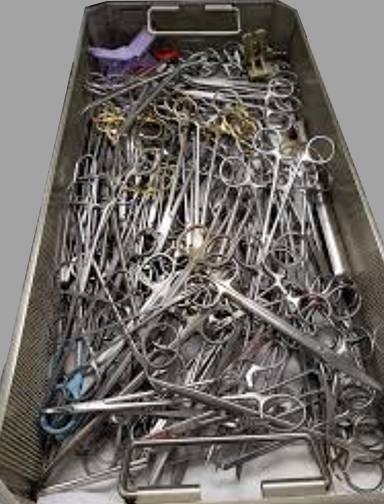
Overloaded trays are more than inconvenient — they are unsafe. Crowded trays can block proper contact with wash water and prevent full sterilant exposure. If cleaning agents and sterilants cannot reach every surface, we cannot guarantee device safety. More instruments often mean less effectiveness. Chemical practices deserve equal scrutiny. Using multiple cleaning agents without adequate rinsing can create incompatibilities and hazardous residues. Layering chemicals does not improve outcomes — it increases risk. Often, one validated cleaning agent, properly used and thoroughly rinsed, is both safer and more effective. Moisture is another threat. Despite some claims that wet loads are acceptable, retained moisture can support microbial growth once a sealed container is opened. Moisture is not a nuisance. It is a sterility risk. “Close enough” is not acceptable. Precision protects patients.
Image
Image

Think Solutions

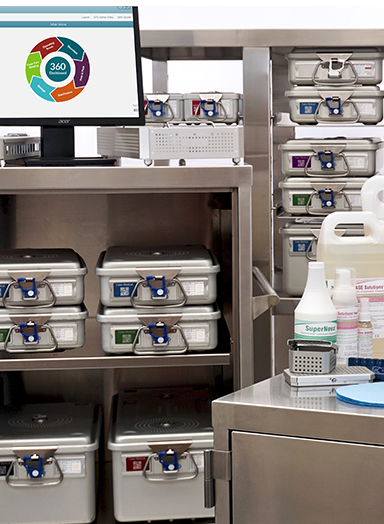
Standardizing intuitive, validated products reduces variation, lowers errors, and protects patients. When products are designed to work together, complexity drops — and confidence rises. Case Medical provides that solution: SteriTite® reusable sealed container systems compatible across sterilization modalities; Case Solutions® multi-enzymatic and non-enzymatic chemistries engineered for effective cleaning with a thorough rinse; MediTray® instrument organization systems that reduce tray clutter and instrument damage; durable Case Carts that protect and streamline transport; and CaseTrak360® for real-time tracking, documentation, and workflow visibility. Together, they create one standardized system designed for consistency, compliance, and measurable performance.

Ready to reduce variability and strengthen safety? Partner with Case Medical to evaluate your processes and implement a standardized system that delivers consistent results.



Connect with Case Medical on social media for more content!
LinkedIn
FaceBook

Kindest Regards,

Marcia Frieze and the Case Medical team
Image

Leave a comment

Make sure you enter all the required information, indicated by an asterisk (*). HTML code is not allowed.

Copyright © 2026 Case Medical. All Rights Reserved.